Silicon Valley's Secret Talent Source: The Grassroots Dev Groups Reshaping US Hiring
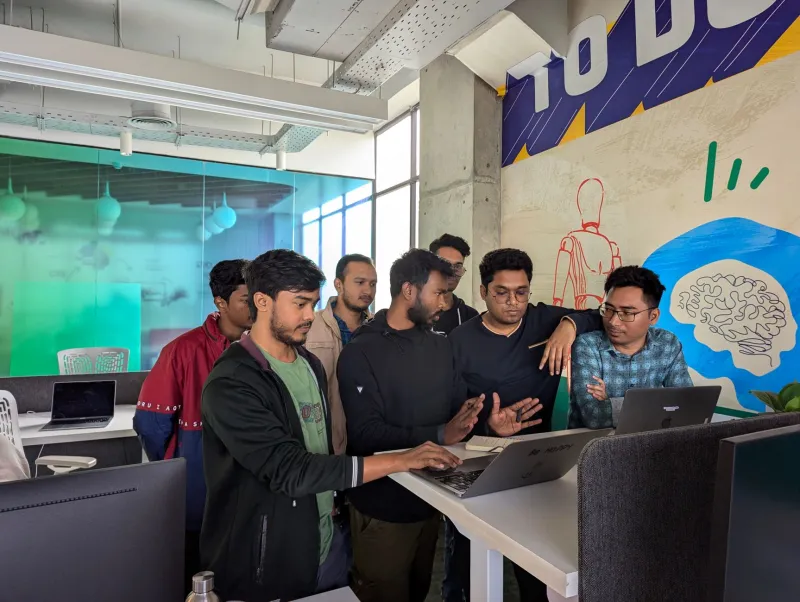
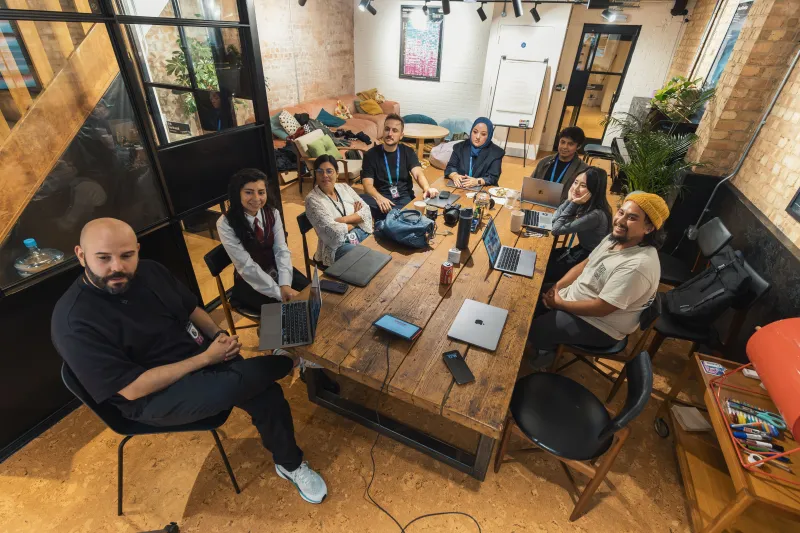
There's a hiring trend quietly picking up steam in American tech circles, and it doesn't start with a LinkedIn DM or a campus recruiting fair. It starts in a packed community hall in Chennai, where a few hundred developers are huddled around a projector screen, debugging a Kubernetes deployment at 9 PM on a Saturday — because they want to be there.
For years, US tech companies have treated India as an offshore outsourcing destination. But something has shifted. Increasingly, hiring managers at firms ranging from Fortune 500 giants to scrappy Series B startups are zeroing in on developer communities — specifically groups like GDG Chennai — as talent pipelines that are anything but ordinary.
The Talent Is Already Battle-Tested
When Priya Nair landed a senior software engineering role at a mid-sized fintech company in Seattle, her hiring manager told her something she didn't expect: he'd been watching her GitHub activity and her talk submissions to GDG Chennai for over a year before reaching out.
"He said the community work told him more than any resume could," Priya recalls. "I'd already shipped real code, led workshops, mentored junior devs. That's not something you fake."
This is the core insight driving the trend. Developer community members — especially those active in GDGs — aren't passive learners. They're contributors. They run workshops on Flutter and Firebase, they build side projects using the latest Google Cloud tools, and they present technical talks in front of hundreds of peers who will absolutely call them out if the content isn't solid. By the time a recruiter finds them, they've already stress-tested their skills in public.
Mark Ellison, an engineering recruiter at a major cloud infrastructure company in the Bay Area, puts it bluntly: "We've started treating GDG event speaker lists like a pre-screened talent pool. If someone is presenting at a community event to a technical audience, they've already cleared a bar that a lot of candidates never reach."
Cost Isn't the Whole Story — But It's Part of It
Let's be honest: compensation dynamics are part of this conversation, and glossing over them doesn't serve anyone. Hiring engineers in India — whether remotely or through relocation packages — can be significantly more cost-effective than competing for the same skill set in San Francisco or New York.
But recruiters and community organizers are quick to push back on the idea that cost is the primary driver. "If it were just about cost, companies would've cracked this wide open a decade ago," says Ravi Shankar, a community organizer who's been part of GDG Chennai since its early days. "What's changed is that US companies are finally paying attention to quality signals they didn't know how to read before."
Those signals include open-source contributions, public technical writing, community leadership roles, and consistent event participation — all things that developer groups like GDG Chennai have been quietly building for years. American companies are only now developing the internal literacy to evaluate them properly.
The Cultural Fit Question Gets Complicated
One of the stickier dynamics in this talent pipeline involves cultural integration — and it cuts both ways. Some developers who've made the leap to US companies describe a learning curve that goes beyond time zones and Slack etiquette.
"The biggest adjustment wasn't technical at all," says Arun Kumar, who joined a product team in Austin after years of community involvement in Chennai. "It was learning how to advocate for myself in meetings. In the community, you earn respect through what you build. In a US corporate environment, you also have to say you built it, loudly and often."
Hiring managers acknowledge this too. Several noted that onboarding developers from community-heavy backgrounds sometimes requires intentional support around visibility and self-promotion — skills that aren't always rewarded in the same way in Indian professional culture.
But there's an upside that companies are increasingly leaning into: developers shaped by community environments tend to be exceptional collaborators, patient mentors, and genuinely invested in knowledge sharing. Those traits, as it turns out, are exactly what engineering teams scaling fast actually need.
GDG Chennai as a Launching Pad
From the community side, the dynamic is a source of both pride and ongoing conversation. On one hand, seeing members land roles at Google, Microsoft, Amazon, and a long list of high-growth startups is a direct validation of what the community is building. On the other, there's a real tension around brain drain — the worry that the community's best contributors eventually leave, creating a gap that's hard to fill.
"We've had to be intentional about this," Ravi says. "We celebrate when someone gets a great opportunity. And then we double down on developing the next wave. The community doesn't shrink when someone succeeds — it grows, because that person becomes a connector, a reference point, a mentor from abroad."
That network effect is something US companies are only beginning to understand. When they hire from communities like GDG Chennai, they're not just getting one engineer — they're plugging into a living network of technically sharp, community-oriented developers who know each other, trust each other, and keep each other sharp.
What This Means for the Broader Hiring Landscape
For American tech companies still relying primarily on traditional recruiting pipelines — university partnerships, LinkedIn sourcing, coding challenge platforms — this trend is a signal worth taking seriously. The developers who are most engaged, most collaborative, and most current on emerging technologies aren't always the ones optimizing their Leetcode scores in isolation. Sometimes they're the ones running Firebase workshops in Chennai on a Saturday night.
And for developers in communities like GDG Chennai, the message is equally clear: the work you're doing here matters beyond the room you're doing it in. The talks you give, the projects you contribute to, the mentorship you offer — all of it is visible to people who are actively looking, even if they haven't introduced themselves yet.
The talent pipeline runs in both directions. And right now, it's more open than it's ever been.